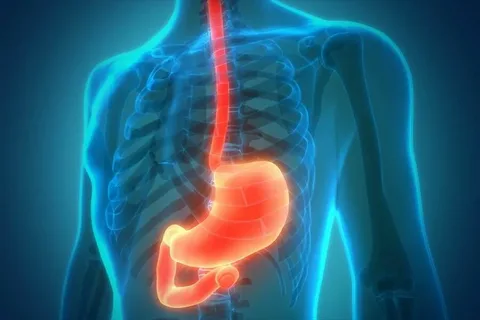
Gastroesophageal Reflux
Gastroesophageal Reflux Disease (GERD) is a common digestive disorder that occurs when stomach contents, including acid, repeatedly flow backward into the esophagus. This reflux irritates the lining of the esophagus and can lead to persistent symptoms such as heartburn, acid regurgitation, chest pain, chronic cough, hoarseness, sore throat, and difficulty swallowing.
GERD develops when the lower esophageal sphincter (LES), the muscular valve between the esophagus and stomach, becomes weak or relaxes inappropriately, allowing stomach acid to escape into the esophagus. Risk factors may include obesity, hiatal hernia, pregnancy, smoking, certain medications, and dietary habits.
If left untreated, GERD can result in complications such as esophagitis, esophageal strictures, ulcers, Barrett’s esophagus, and an increased risk of esophageal cancer. Diagnosis may involve a clinical evaluation, upper endoscopy, pH monitoring, and other specialized tests to assess the severity of the condition.
Treatment options range from lifestyle modifications and dietary changes to medications that reduce acid production. In cases where symptoms persist despite medical therapy, minimally invasive surgical procedures may be recommended to strengthen the anti-reflux barrier and provide long-term relief.
Our team provides comprehensive evaluation and personalized treatment plans for patients with GERD, utilizing the latest diagnostic techniques and advanced therapeutic options to achieve effective symptom control and improve digestive health.