Esophageal Fistula
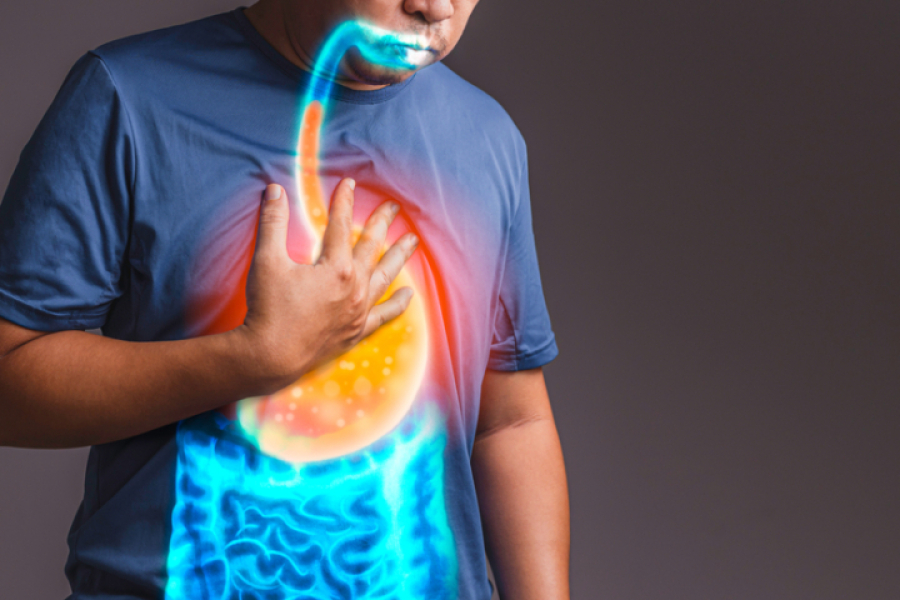
An esophageal fistula is a condition in which an abnormal channel forms between the esophagus and adjacent organs, most commonly between the esophagus and the trachea (esophagotracheal fistula) or the lungs. This condition may be congenital (present at birth) or acquired as a result of severe infections, tumors, injuries, surgical procedures, or prolonged use of feeding tubes.
This abnormal opening allows food, fluids, or digestive juices to pass from the esophagus into the respiratory system, causing noticeable symptoms such as coughing while eating or drinking, difficulty breathing, recurrent chest infections, frequent choking, and, in some cases, weight loss.
Diagnosis relies on clinical evaluation and advanced investigations such as contrast imaging, CT scans, and endoscopy to determine the location, size, and cause of the fistula.
Treatment options vary depending on the cause and the specific condition. They may include endoscopic intervention using stents or other modern closure devices, or surgery to close the abnormal channel and reconstruct the affected tissue. The underlying cause, if present, such as tumors or infections, is also treated.
Our medical team provides expert care using the latest endoscopic and microsurgical techniques to treat esophageal fistulas, with a focus on restoring normal esophageal and respiratory functions and improving the patient's quality of life.