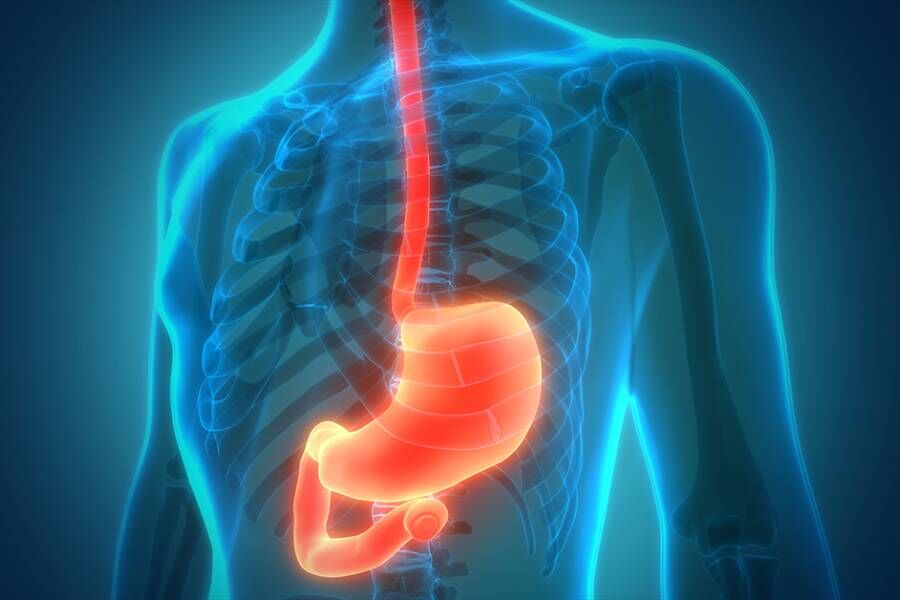
Esophagus Cavernosis
Esophageal stenosis is a rare disorder affecting the esophageal wall, characterized by abnormal dilation or the formation of pockets/cavities that impede the movement of food and liquids toward the stomach. This stenosis can be congenital or acquired as a result of chronic inflammation, esophageal motility disorders, partial obstruction, or complications of certain neurological or muscular diseases.
This condition leads to impaired esophageal function, causing symptoms such as difficulty swallowing, regurgitation of undigested food, chest pain or pressure, bad breath, and, in some advanced cases, weight loss. Symptoms may worsen over time if the underlying cause is not addressed.
Diagnosis relies on clinical evaluation and specialized tests such as barium swallow, upper endoscopy, and sometimes esophageal manometry to assess functional motility.
Treatment options vary depending on the severity and cause of the condition. These include medication to improve esophageal motility and reduce symptoms, endoscopic dilation in cases of obstruction, and surgical intervention in severe cases to repair abnormalities, remove pockets, and improve food passage.
Our medical team provides comprehensive care using the latest diagnostic and therapeutic technologies to treat rare esophageal disorders such as stenosis, with a focus on improving swallowing, reducing symptoms, and restoring quality of life.