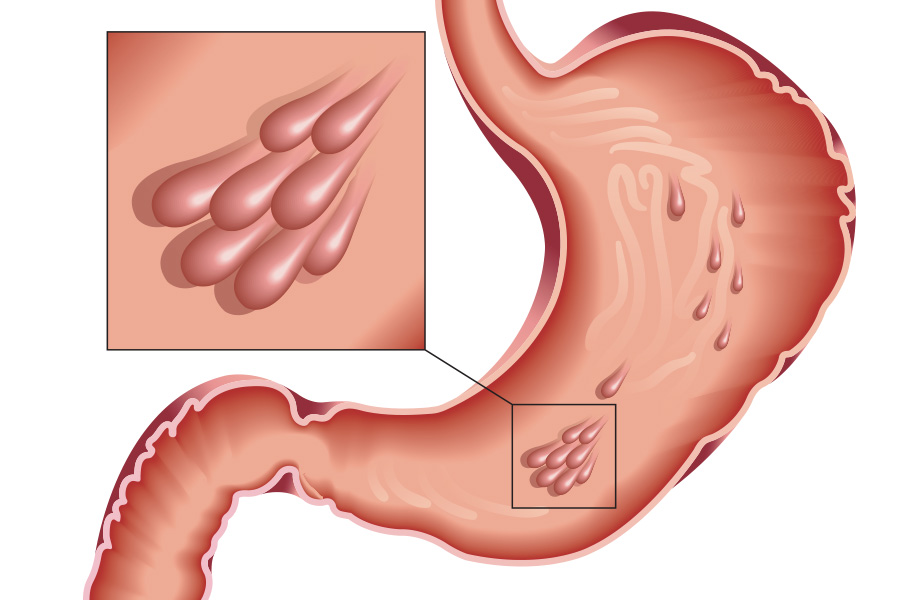
Malignant Stomach Tumors
Malignant stomach tumors (gastric cancer) are diseases that arise from the abnormal and uncontrolled growth of cells in the stomach lining. If not detected and treated early, they can invade the stomach wall and spread to the lymph nodes or other organs.
These tumors usually develop gradually, and there may be no obvious symptoms in the early stages, making early diagnosis crucial. As the condition progresses, the patient may experience symptoms such as persistent upper abdominal pain, unexplained weight loss, loss of appetite, nausea or vomiting, feeling full quickly after eating small amounts of food, and sometimes gastrointestinal bleeding leading to anemia.
Diagnosis relies on endoscopy with biopsies to analyze cells and confirm the diagnosis, as well as CT scans or advanced tests such as PET scans to determine the stage of the disease and its extent.
The treatment plan varies depending on the tumor stage and the patient's overall health. It includes surgery to remove part or all of the stomach in appropriate cases, chemotherapy and radiation therapy, or a combination of these to improve outcomes and reduce the likelihood of tumor recurrence.
The medical team provides comprehensive and advanced care for patients with malignant stomach tumors using the latest diagnostic and treatment protocols, with a focus on early intervention and improving the chances of recovery and quality of life.