Process Reform
Procedure of Endoscopic Esophageal Surgery
-
Initial Consultation and Evaluation
-
The patient undergoes a comprehensive medical assessment, including a review of symptoms, medical history, and diagnostic tests such as endoscopy, imaging studies, or esophageal function tests.
-
-
Preoperative Preparation
-
Detailed instructions are provided regarding fasting, medications, and any necessary preoperative investigations to ensure patient safety and optimal surgical outcomes.
-
-
Anesthesia Administration
-
The procedure is typically performed under general anesthesia to ensure patient comfort and allow precise surgical intervention.
-
-
Endoscopic Access
-
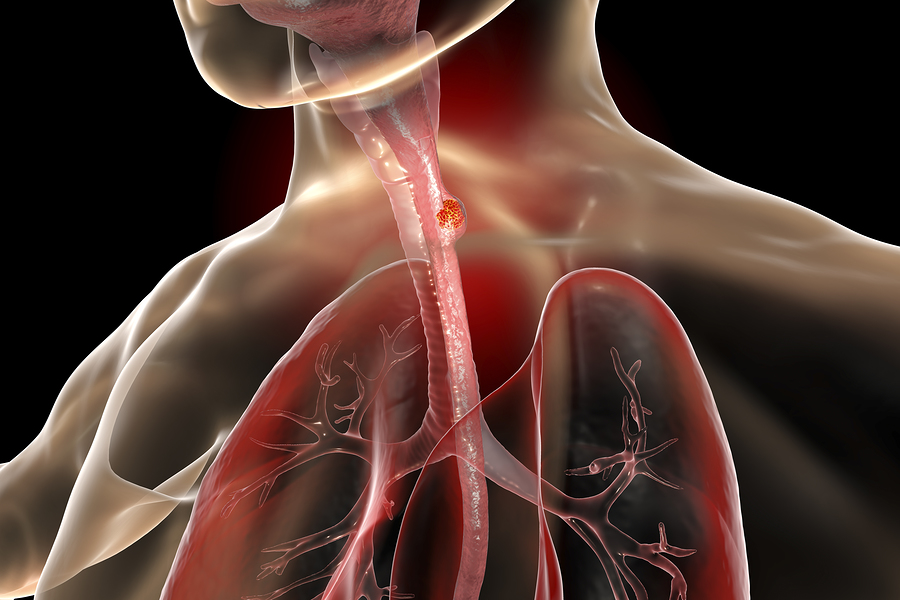
A flexible endoscope equipped with a high-definition camera and specialized instruments is carefully inserted through the mouth into the esophagus, eliminating the need for large external incisions.
-
-
Surgical Treatment
-
Depending on the condition being treated, the surgeon may remove abnormal tissue, treat tumors or lesions, dilate narrowed areas, control bleeding, repair defects, or perform other therapeutic procedures.
-
-
Completion and Recovery
-
After the procedure, the endoscope is removed, and the patient is monitored in the recovery area until the effects of anesthesia wear off.
-
-
Postoperative Care and Follow-Up
-
Patients receive personalized recovery instructions, dietary guidance, and follow-up appointments to monitor healing and ensure the best possible outcome.
-
Benefits of the Procedure
-
Minimally invasive approach
-
Reduced pain and discomfort
-
No or minimal external scarring
-
Shorter hospital stay
-
Faster recovery and return to normal activities
-
Lower risk of complications compared to traditional surgery